

 Emma Hall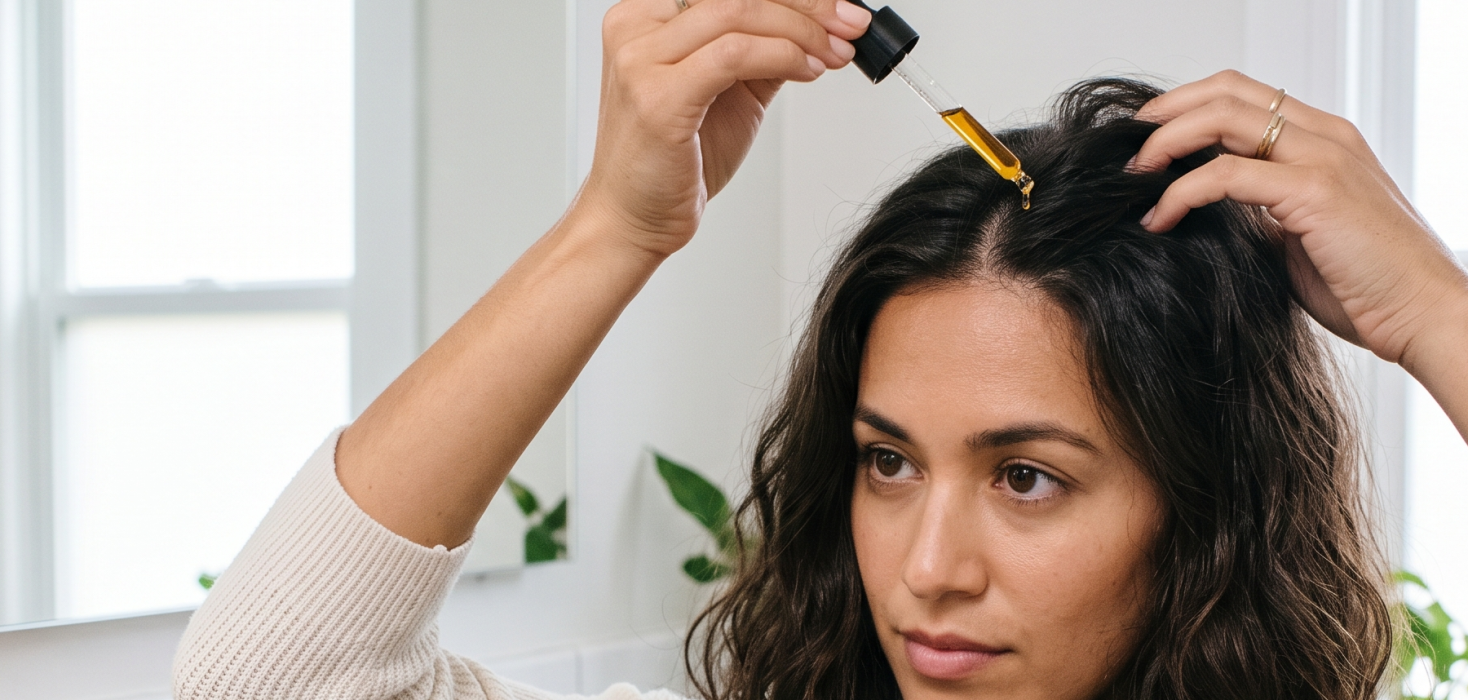
Is there anything more frustrating than putting effort into your hair, only for the damp British weather or heat styling to leave it looking frizzy or dull by midday? You’re not alone. Whether you’re prepping for a big meeting, a first date, or a special occasion, the quest for that sleek, salon-worthy finish often leads many to the hair care aisle, and specifically, to the mystery of hair serum.
But with so many products promising ‘miracle’ results, it’s easy to feel overwhelmed. What does hair serum actually do? Does it really encourage growth, or is it just for instant shine? And most importantly, is it the missing piece your routine has been waiting for? A 2026 YouGov report found that 36% of Britons struggle with frizz or damage. Let’s dive into everything you need to know about hair serum, how it works, and whether it deserves a permanent spot on your shelf.
How Hair Serum Helps Your Hair
Hair serum is a lightweight, leave-in product that sits on the outer layer of your hair. Most serums have oils, silicones, or plant extracts. These ingredients smooth the hair’s outer layer.
So, is serum good for hair? Yes, hair serum can help many people, especially if their hair is frizzy, dull, or dry. According to Dyson, frizz is the most frequent hair concern, with 63% of people reporting it. It calms flyaways, makes hair shinier, and makes it easier to comb. Some serums also protect hair from heat.
Most people wonder “how does hair serum work”? Basically, serum covers your hair strands. This keeps moisture in and makes hair shiny by reflecting light. It does not change your hair from the inside.
It can often feel overwhelming when you are staring at a shelf full of different hair care products. Each one is designed for a specific purpose, so understanding how they vary is the best way to make sure you pick the right one for your hair type.
How Serum Differs From Other Products
Here’s a small comparison between serum and other hair products:
| Product | When It Is Used | Main Focus |
|---|---|---|
| Conditioner | In the shower | Smooths wet hair before it rinses away |
| Leave-in Treatment | After washing, left in | Hydration or repair |
| Hair Oil | On dry or damp hair | Heavier feel, suits dry or thick hair |
| Serum | After washing or before styling | Light, quick drying, focused on look and feel |
If you are unsure whether a serum or oil suits your routine better, explore our complete guide comparing serum vs hair oil.
Does Hair Serum Help With Growth
When it comes to hair growth, it’s a different story. Most traditional hair serums aren’t formulated to boost hair growth. They focus on the visible hair shaft, making it look smoother rather than altering the scalp or roots.
Can hair serum help hair growth? While some serums include scalp ingredients, hair growth starts in the hair follicle underneath the skin. No cosmetic serum can speed the process up on its own. This is why most serums are formulated to address visible surface concerns like frizz and dullness rather than actual growth.
Who Should Be Using Hair Serum
Some hair types only need shampoo and conditioner to look good. If your hair is fine and straight, using a serum might make it too heavy. However, if your hair is thick, curly, or coarse, or if it looks dry or lacks shine after styling, a serum can help.
If you use tools like hair straighteners or curling irons a few times a week, a serum can protect your hair from heat damage, especially if it has added heat protection. To find the right formula for fine, thick, or curly strands, read our guide on the best hair serums for frizzy, dry and damaged hair.
How To Choose And Use Serum
To choose the right serum, think about what you want to fix. If your hair is frizzy, use a serum that smooths it. If it looks dull, choose one with ingredients that add shine. For damaged hair, a richer serum is usually best.
Knowing how to apply varies by formula. If you already own a targeted scalp treatment, how to use hair growth serum properly often means applying it directly to the skin rather than the lengths, since that is where growth-support ingredients need to reach. For a deeper insight, explore this guide from dermatologists, clearly explaining how to combat hair thinning with scalp serums for hair growth.
Timing and routine are equally key. Whether you want to know when to apply hair serum on wet or dry hair, or if you can use hair serum every day for best results, following the right steps keeps your hair light and grease-free.
So, Should Serum Be Part of Your Routine?
Hair serum is not an instant fix, and not everyone needs one. However, if you struggle with frizz, dullness, or dryness, or even want heat protection during styling, it can make a noticeable difference. Try applying a small amount to damp hair to test the results.
If you have any questions about your order, need some guidance on choosing the right product, or simply want to say hello, contact us at Emma Hall Hair. We would love to hear from you.

3 thoughts on “Hair Serum Guide: What Does Hair Serum Do and Do You Need One?”