

 Emma Hall
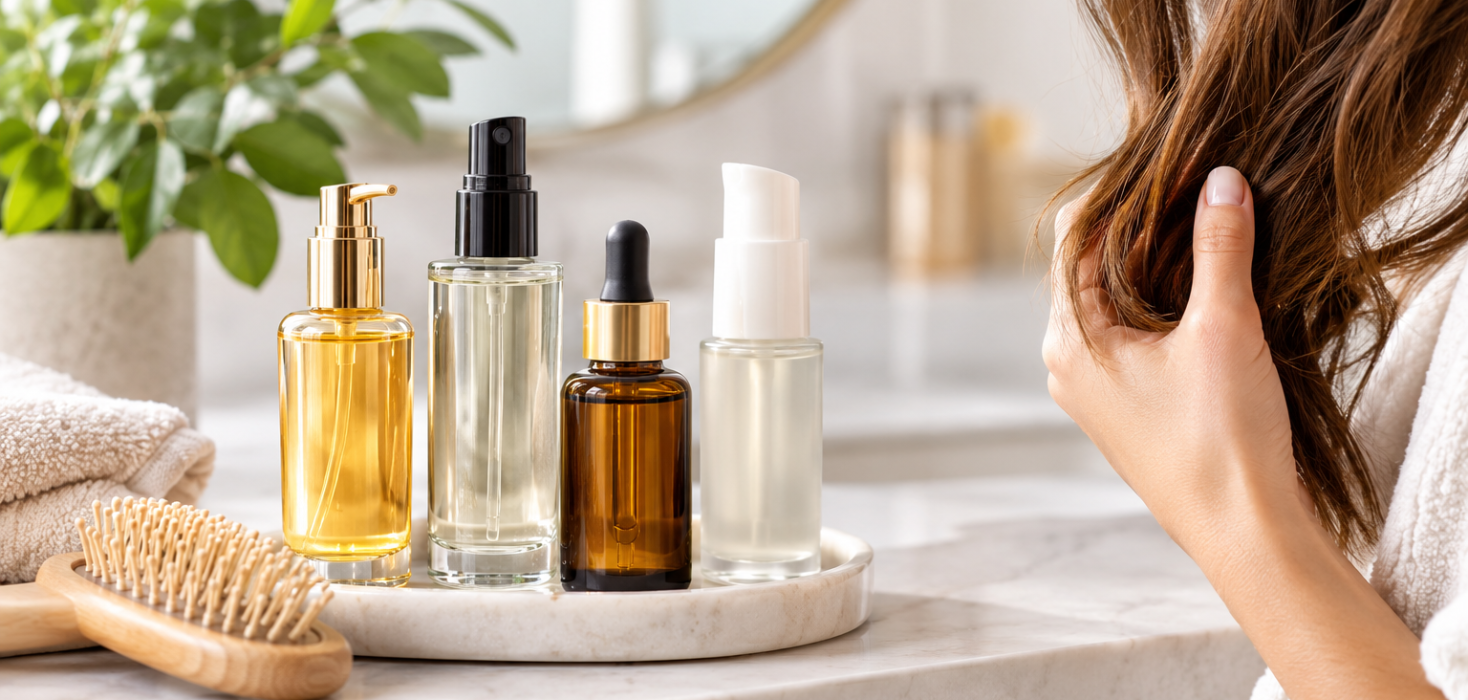
You rinse, condition and blow dry your hair, and by mid-morning it looks frizzy and dull again. You reach for a serum, hoping it will fix things, and find a shelf of bottles that all promise smooth, shiny, healthy-looking hair. Choosing one feels like guesswork, and the wrong pick can leave your hair greasy without solving the problem you bought it for.
The right serum depends on what your hair is actually doing. Once you know whether frizz, dryness or damage is the main issue, the choice becomes much clearer.
Start With What Your Hair Needs
It helps to be clear about what a serum can do. A serum generally improves the appearance of hair. It can smooth the surface, reduce flyaways and make hair easier to manage. It does not rebuild structural damage, and no bottle can reverse split ends. Keeping that in mind stops you from expecting too much from a single product.
Serums for Frizzy Hair
Frizz usually appears when the outer layer of the hair, the cuticle, is raised or rough, so the hair takes in moisture from the air. A good frizz serum tends to be lightweight and smoothing. It should help strands lie flatter and resist humidity without leaving hair heavy.
Ingredients to look for:
- Silicones such as dimethicone or cyclopentasiloxane, which form a thin coating that helps strands lie smoother
- Light oils such as argan or camellia, which add softness without much weight
If you live somewhere humid, check how high glycerin sits on the ingredient list. Glycerin and similar humectants draw moisture from the air, and on damp days that can make frizz worse for some people.
Fine hair often does best with a light, fluid formula, because richer textures can weigh it down. Thicker or coarser hair may cope with a slightly heavier serum. If you dry or straighten your hair with heat, look for a formula that offers some heat protection, and read the label before you style.
If you want to understand how serums fit into your routine, our Hair Serum Guide explains what they do and whether you need one.
Serums for Dry Hair
Dry hair lacks moisture and natural oils, so it often looks dull and feels rough. A richer, more nourishing serum can help hair feel softer and look more supple.
Ingredients to look for:
- Nourishing oils such as argan, jojoba or marula, which help soften rough lengths
- Squalane, a light emollient that adds softness with less greasiness than heavier oils
- Panthenol (provitamin B5), which helps hair hold on to moisture
- Shea butter, which suits thick, very dry hair but is usually too heavy for fine hair
The amount you use matters as much as the formula. Too much can make dry hair look greasy, especially at the roots, so start with a small amount and build up. Focus on the lengths and ends, where dryness shows most.
Serums for Damaged-Looking Hair
Hair that has been bleached, coloured or heat styled often looks damaged, with a rough texture and little shine. A serum can help by smoothing the surface, which makes hair look healthier and reflect more light.
Ingredients to look for:
- Hydrolysed proteins such as keratin, silk or wheat protein, which can sit in rough, porous areas so hair feels smoother and stronger for a while
- Ceramides, which help the hair surface feel more even
- Dimethicone, which adds slip and reduces friction when you brush
Go easy on protein if your hair isn’t very porous. Using too much can leave it feeling stiff or straw-like.
A serum won’t repair the hair itself, so manage the cause as well as the look. Cut back on heat, handle wet hair gently and be patient after colour processes. Richer formulas often suit this type of hair better, but keep them away from the roots if your scalp is oily. A serum won’t make hair grow faster. What it can do is help protect lengths from further breakage, so the hair you have stays in better condition while it grows.
How to Apply a Serum Properly
Whatever type you choose, how you use it matters. Work a small amount through the mid-lengths and ends rather than the scalp. Applying to damp hair before drying can help the product spread evenly, while a little on dry hair can tame flyaways later in the day. Our guide on when to apply hair serum covers wet and dry application in more detail.
Many people wonder whether they should use a serum every day. That depends on the formula and your hair type, and our article on using hair serum every day explains how to decide. If you’re torn between a serum and an oil, hair serum vs hair oil breaks down the differences.
Find the Right Serum for Your Hair
Start with the concern you most want to address, then match it to the texture and weight that suits your hair. Light formulas suit frizz and fine hair. Richer ones suit dryness and damaged-looking lengths. Gentle handling makes any serum work better.
If you’d like to see the serums we stock, browse our shop. For more hair care guidance, visit Emma Hall Hair.
Find Your Serum Match
Answer four quick questions to see which type of serum and which ingredients suit your hair.

One thought on “Best Hair Serums for Frizzy, Dry and Damaged Hair”